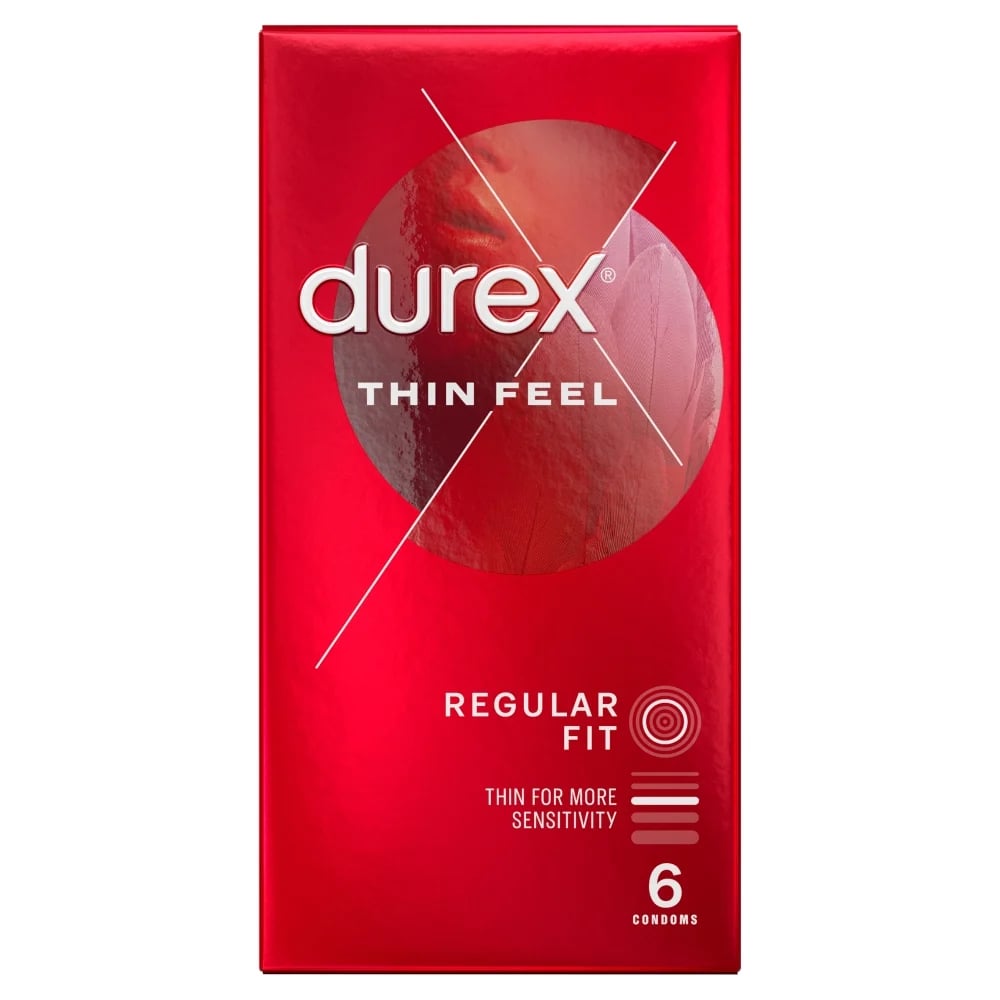
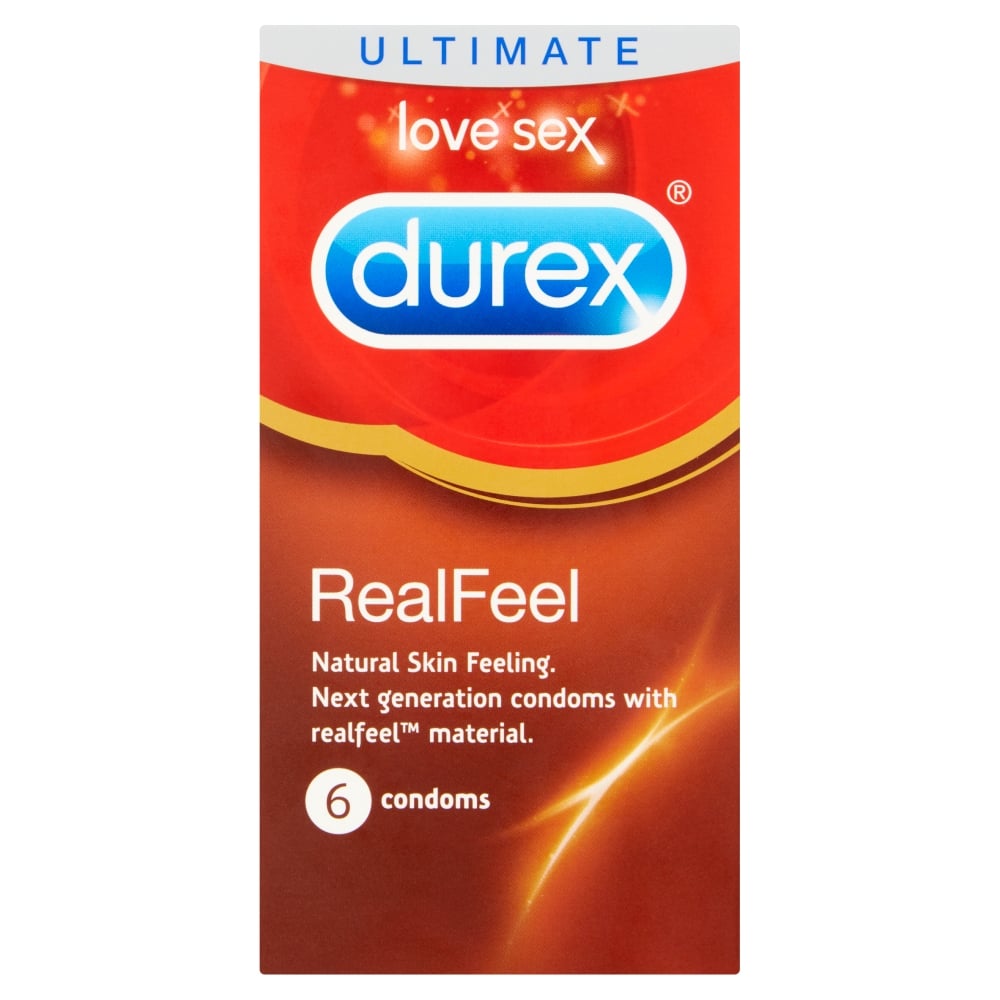
When it comes to safe sex, choosing the right condom is about far more than just grabbing the nearest box off the shelf. A condom that doesn't fit properly is not only uncomfortable, but also less effective as contraception.
A condom that's too loose risks slipping off, while one that's too tight is more likely to split, both of which can compromise protection against unwanted pregnancy and sexually transmitted infections (STIs). The wrong fit can also make it harder to keep an erection.
Getting the right fit is one of the simplest things you can do to practice safer sex. So, before you buy your next pack, here's everything you need to know about finding the correct condom size.
Three key takeaways
Size matters. Getting the right-sized condom can be the difference between 98% protection and no protection at all. A condom that’s too loose may slip, while one too tight may tear.
Girth matters more than length. Condoms are measured in nominal width, which uses girth over length for sizing. So the girth of your penis will dictate the size you need.
A latex allergy doesn’t mean you can’t use condoms. Latex-free options are widely available, so you don’t need to compromise on protection.
How to measure condom size
To find the right condom size for your body, you’ll first need to measure your penis.
Make sure that your penis is erect when you’re measuring, as this is when you’ll actually be using the condom.
You’ll need to take two measurements: your length and girth.
To measure length: When measuring length, you’ll need to measure from the base of the penis (where the condom would stop rolling) to the tip.
To measure girth: When measuring girth, you should measure around the middle of your shaft and note the size in millimetres.
What size condom do you need?
While some people may think length is everything, when it comes to finding a condom that fits, girth is more important. This is because most condoms have a few extra inches of length by design.
To understand what size condom is right for you, you’ll need to look at the ‘nominal width’. You might’ve seen this on a box of condoms, wondered what it was, and like most just disregarded it.
Nominal width is how wide a condom is when it’s laid flat. To work out whether the condom you've got will fit your girth, multiply the nominal width by about 2.25, or use the table below.
Size of condom
Nominal width
What girth it will fit
Closer fit
45-50mm
100-112mm
Regular fit
52-54mm
117-121mm
Larger fit
54-60mm
121-135mm
Closer fit condoms
Sometimes referred to as a 'snug fit' or as 'small condoms', condoms with a closer fit are a perfectly normal choice. Getting a condom that fits you right is the most important thing when it comes to practising safe sex, both to avoid the risk of STIs and pregnancy.
Regular fit condoms
Most condoms on the shelf are likely to be a regular fit. This is because they target the average length and girth. These condoms tend to be about seven inches long once fully rolled out, so most men find that it fits them quite well. However, you should still check that it fits your girth.
Larger fit condoms
These condoms are for those with a bigger girth. These usually range between 54-60mm nominal width, making them suitable for people with a girth of 121-133mm. However, there are brands that can go up to a nominal width of 69mm, meaning they would fit someone with a girth of 155.25mm.
According to a 2012 review, that took the average length across a range of 609 British men, the average penis size in the UK when erect is:
Girth: 4.81 inches (122.2mm)
Length: 5.6 inches (143.0mm)
This means that the average man in the UK should use a regular fit condom, which isn’t a surprise, as it’s designed to fit the most people.
Why it’s important to get the right condom size
“The importance of finding a condom that fits correctly is often overlooked. Yet a condom that is too loose or too tight is more likely to slip or break. This means you have less protection against unwanted pregnancy and STIs, including HIV.
“Beyond safety, getting something that fits right just feels better. This can help improve your confidence, making the experience more enjoyable for both partners.
“Finding the right size of condom keeps you safe, comfortable and confident – and that’s what good sex should feel like.”
Losing your erection while putting on a condom, or once it's on, is more common than you might think. One study found that nearly one in five (19%) young men had lost their erection while putting on a condom at least once in the past two months.
It doesn't usually mean anything is wrong. Fit, nerves, and losing focus while you're putting it on can all play a part.
The condom doesn't fit properly
A condom that's too tight can feel uncomfortable and reduce sensation, while one that's too loose can leave you worrying about it slipping off. In the same study, men who had problems with how condoms fitted or felt were more likely to lose their erection.
If this sounds familiar, measure yourself again and check the nominal width on the box before you buy.
Feeling nervous or under pressure
Worrying about how you'll perform is one of the most common reasons for losing an erection. In our survey of 2,000 UK men, 30% said they'd experienced performance anxiety during sex with a partner in the past 12 months. This rose to 37% of men aged 25-34.
Stopping to put on a condom can give those worries a chance to creep in, and if it's happened before, worrying that it'll happen again can make it more likely. Our guide to sexual performance anxiety has more tips on how to manage these thoughts and stop them in their tracks.
How to keep an erection when putting on a condom
Practise putting a condom on by yourself, so that it feels quick and easy when you're in the moment. Our guide on how to put a condom on talks you through it.
Make it part of foreplay or ask your partner to put it on for you.
Use a little silicone-based or water-based lube on the outside of the condom to make it feel more comfortable.
Take the pressure off. In our survey, almost 1 in 4 men (24%) had felt pressure for sex to include or end with penetration in the past 12 months. But sex doesn't have to include penetration, and touch, foreplay and oral sex are all fun parts of sex that can bring you and your partner just as much pleasure.
Could it be erectile dysfunction?
If you often have trouble getting or keeping an erection, even without a condom, you may have erectile dysfunction (ED). In our survey, 29% of men had difficulty getting or keeping an erection while also feeling anxious about their sexual performance in the past 12 months. But if this sounds familiar, don’t worry. ED is perfectly common and treatable.
ED tablets like sildenafil can be used alongside condoms, but they don't prevent STIs or pregnancy, so it's important to still use condoms if protection is a priority for you. Speak to one of our pharmacists if you regularly lose your erection while putting on or wearing a condom.
Yes, if you have a latex allergy, there are lots of latex-free condoms available. This means you can practice safer sex without fear of an allergic reaction.
How Chemist4U can help
We understand that for some people, going up to the counter with a pack of condoms can feel awkward, but it doesn’t need to be.
For those who don’t want to deal with a shopkeeper, we offer a discreet, next-day delivery directly to your door.
If you're having trouble keeping an erection, our pharmacists can also help you find the right ED treatment for you.
Frequently asked questions about condom sizes
What condom size is six inches?
Regular fit condoms tend to be about seven inches long to fit the average penis size between five and seven inches. The more important thing to look for in a condom is that it fits your girth.
Do smaller condoms offer more sensation?
A smaller condom does not mean more sensation – but getting one that fits right will. If you’re looking for condoms that increase pleasure for you or your partner, we’ve covered those in our guide on the best condoms for every need.
What condoms should I get if I’m seven inches?
Most condoms are about seven inches in length, so should be an adequate fit for you. However, you’ll need to make sure that they fit the girth of your penis, which you can tell from the nominal width on the box.
Do condoms cause ED?
No, condoms don't cause erectile dysfunction. But a condom that doesn't fit, nerves about putting one on, or worries about losing sensation can make it harder to keep an erection.
Can you use Viagra with condoms?
Yes, ED tablets like Viagra Connect can be used with condoms. They don't protect against STIs or pregnancy, so you should still use a condom.
The research was conducted by Censuswide, among a sample of 2,000 UK nationally representative cisgender men / respondents who are male at birth and currently identify as male, aged 18+. The data was collected between 13 and 19 October 2026.
Censuswide is a member of the Market Research Society (MRS) and the British Polling Council (BPC), and a signatory of the Global Data Quality Pledge. Censuswide adheres to the MRS Code of Conduct and ESOMAR principles.
Chemist 4 U uses cookies (and other techniques) to enhance your shopping experience.
Read more about our cookie policy, terms and conditions and privacy statement. By continuing on this site and accepting our cookies you agree to the collection of information on this basis by us and by third parties on the platform as well as direct email marketing. Please customise your cookie settings below.
Find out more about our data policies.