Sexual performance anxiety is one of those topics many people struggle with, but few feel comfortable discussing. Yet it's far more common than you might think, causing things like erectile dysfunction, and affecting millions across the UK impacting both confidence and physical intimacy.
Understanding what it is, why it happens, and, most importantly, what you can do about it can make a real difference to your well-being and relationships. Let's break down the facts and explore practical steps you can take to overcome sexual performance anxiety.
Three key takeaways
Sexual performance anxiety is common: 30% of UK men in our survey said they'd felt it during sex in the past year.
It's psychological, not physical: anxiety triggers stress responses that affect how your body performs in the bedroom, but addressing the mental side often resolves the physical symptoms.
Treatment requires more than just pills: medications like Viagra can help with confidence surrounding getting and maintaining erections but don't fix underlying anxiety.
What is sexual performance anxiety?
Sexual performance anxiety is exactly what it sounds like: “performance anxiety”. It’s the idea that sexual intercourse is a performance that's being scrutinised and evaluated. And that feeling leads many to become self-conscious, self-critical, tense, or anxious while being sexual.
This can often lead to the very problems that the individual was worrying about in the first place, like erectile dysfunction, premature ejaculation or difficulty reaching orgasm.
How common is sexual performance anxiety in men?
t might be more common than you think, with around 11.7 million men in the UK saying that they have struggled with sex at least once in their lifetime. We asked 2,000 UK men about their sex lives, and 30% said they'd experienced performance anxiety during sex with a partner in the past 12 months. It was more common in younger men, affecting 35% of 18-24 year olds and 37% of 25-34 year olds.
How common is sexual performance anxiety in women?
It’s not just men who experience sexual performance anxiety, as it also affects 6-16% of women, and can severely reduce confidence and sexual desire.
Does sexual performance anxiety go away?
Sexual performance anxiety is unlikely to go away on its own. Many people who suffer from it eventually consult a therapist to undergo cognitive behavioural therapy (CBT).
This helps to change your attitude and outlook towards sex by reframing how you interpret signs, and gives you more control over your emotional and mental responses to certain circumstances.
You might experience sexual performance anxiety either in the lead-up to sex or whilst it's happening. Just like any other kind of performance anxiety, it can affect you both mentally and physically.
Some people have these symptoms all the time, others only now and then, and they can be mild or severe. These symptoms can include:
Is erectile dysfunction the same as sexual performance anxiety?
Sexual performance anxiety is psychological. It's the worry and stress about sexual performance. Erectile dysfunction, on the other hand, is a physical condition where you can't get or maintain an erection firm enough to have sex. But the two are closely connected, and our survey shows how often they overlap. Over a quarter of men (28%) said they'd had difficulty getting or keeping an erection in the past year, while also feeling anxious about their performance.
“Sexual performance anxiety can actually lead to erectile dysfunction. When you're anxious, your body goes into a stress response. Your heart rate increases, muscles tense up, and blood flow is redirected away from areas like the penis.
What often happens is that a cycle develops. You experience anxiety, which leads to difficulty with erections. That experience creates more anxiety about the next time, making the problem worse.
The positive side is that when performance anxiety is the root cause, addressing the psychological aspect often resolves the physical symptoms.
In some cases treatments like medication can be very effective. The key is understanding what's driving your symptoms so you can tackle it in the right way.”
While sexual performance anxiety can be distressing, you don’t have to live with it forever. There are various steps you can take to help you move forward in the bedroom:
Medication
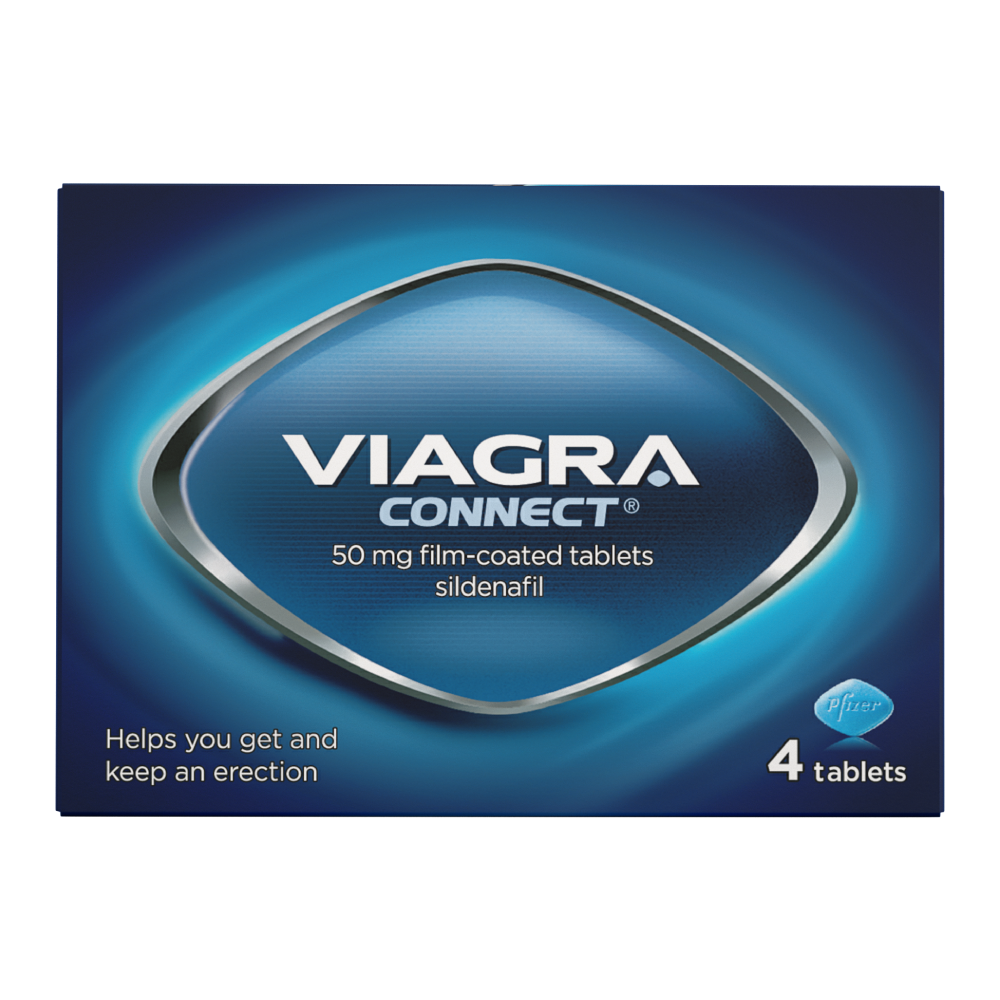
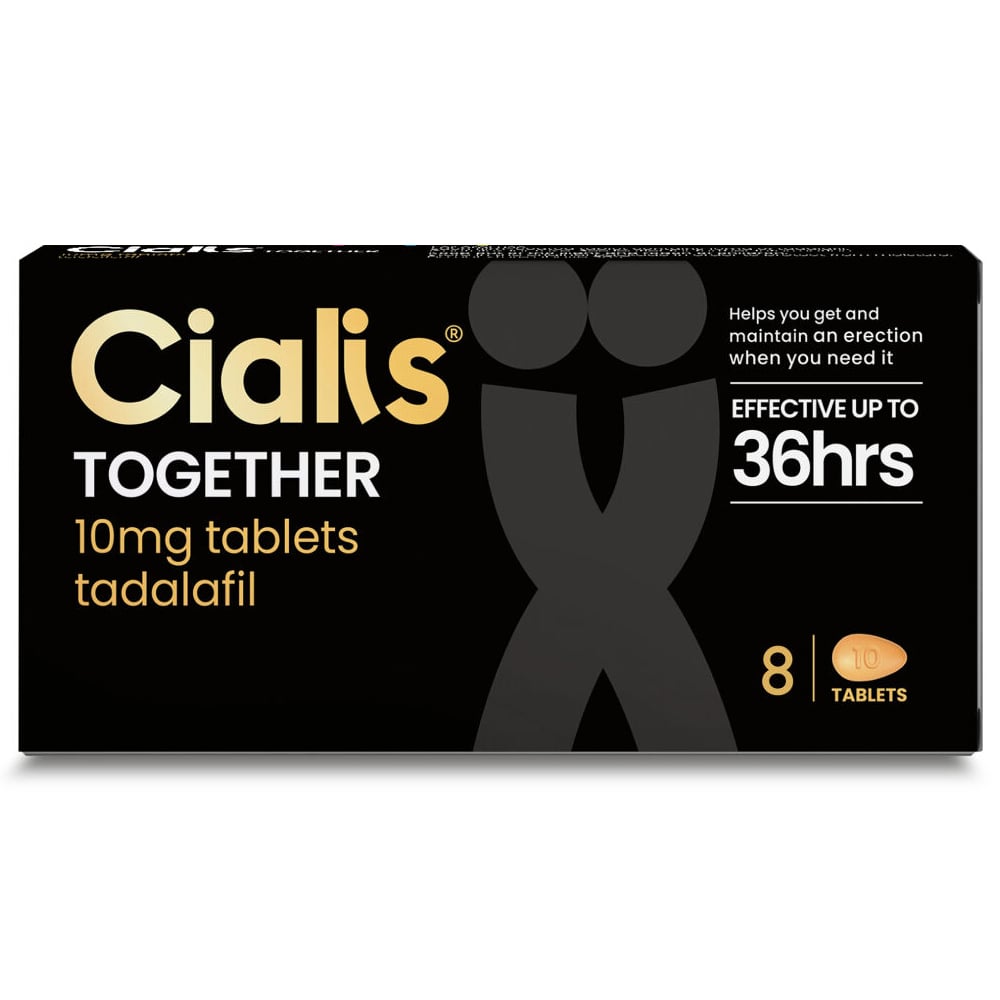
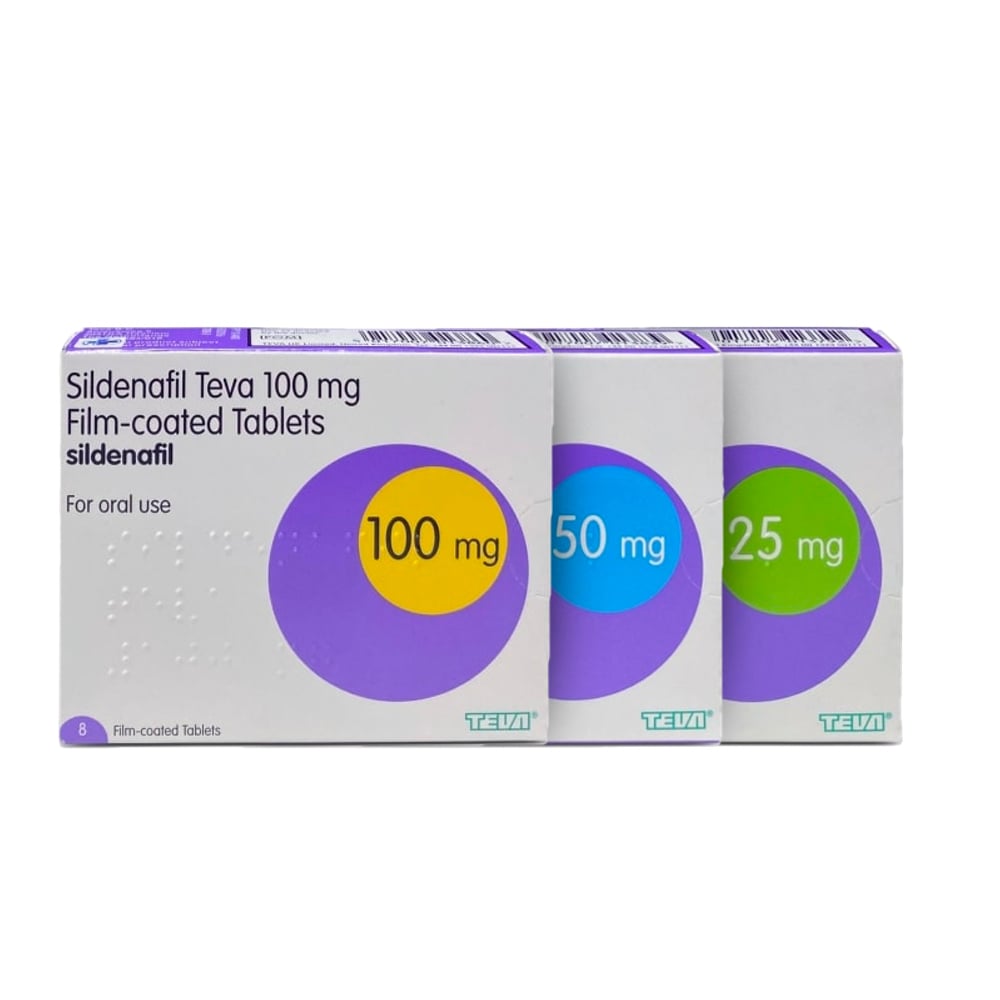
Prescription medications for erectile dysfunction, such as sildenafil (Viagra) and tadalafil (Cialis), can be helpful for some people experiencing performance anxiety. However, it's important to understand that these aren't a complete solution.
Whilst ED medications can help achieve and maintain an erection, they don't address the underlying psychological causes of performance anxiety. Medications like Viagra work by increasing blood flow to the penis, but they won't eliminate anxious thoughts or boost confidence on their own.
Additionally, these medications come with potential common side effects like headaches, facial flushing, indigestion, and nasal congestion. Some people may experience more serious side effects, such as vision changes or prolonged erections.
CBT is a structured, evidence-based talking therapy that can be highly effective for performance anxiety. It works by helping you identify and challenge the negative thoughts that make anxiety worse.
CBT typically involves regular sessions over several weeks or months. Many people find that the skills they learn in CBT continue to benefit them long after therapy has ended.
Can taking the focus off penetration help with performance anxiety?
For many men, sex follows a set script that ends in penetration. In our survey, 53% of men said they see penetration as an essential part of sex, and 22% said they think of sex as purely penetrative.
Expectations like these can add to the pressure. Almost one in four men (24%) said they'd felt pressure in the past year for sex to include or end with penetration. If sex feels like it has one finish line, it's easy to spend the whole time worrying about getting there.
What do men know about female pleasure?
Three in ten men (30%) in our survey believe penetration is essential for a female partner to experience pleasure, even though many women find other kinds of touch just as pleasurable, if not more so.
Where men learn about sex may play a part. Nearly half (49%) said most of what they know about vulval anatomy and female pleasure came from outside formal sex education, from places like porn, social media and their friends. And almost a quarter (24%) find information and diagrams about the vulva difficult to understand.
For some men, it's non-penetrative sex that feels more nerve-racking. More than one in five men (23%) said they'd felt more anxious during non-penetrative activities than during penetration.
How can learning more help?
The good news is that many men want to learn more, and plenty already feel capable. Two-thirds (66%) said they're confident they could give a female partner pleasure without penetration.
Over half (55%) said learning more about vulval anatomy and female pleasure would boost their confidence during sex, and 36% said it would help them feel less pressure to include penetration.
A few ways to take the pressure off:
Treat foreplay and oral sex as sex in their own right, rather than a warm-up.
Ask your partner what they enjoy, and be open to sex without a set end point.
Try taking penetration off the table for a while. Sex therapists often use this approach, called sensate focus, to help ease performance anxiety.
Get your information on anatomy from reliable health sources.
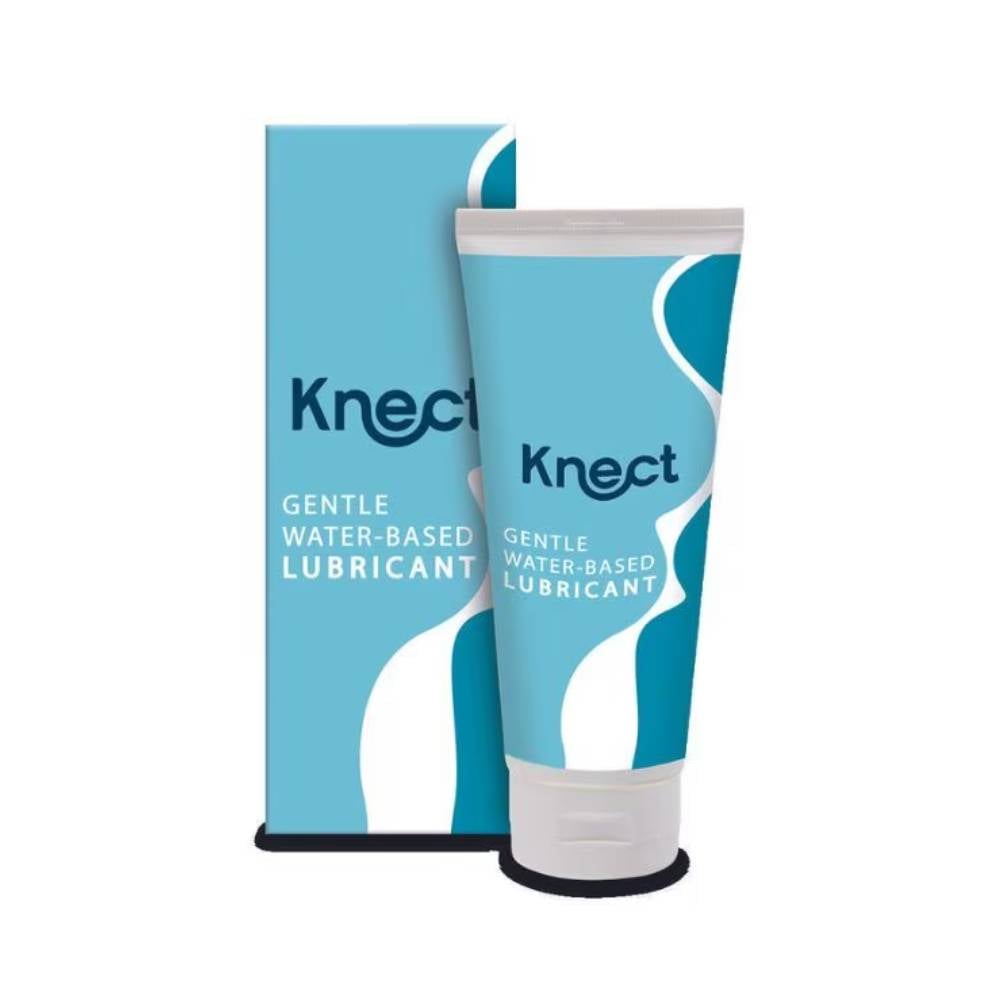
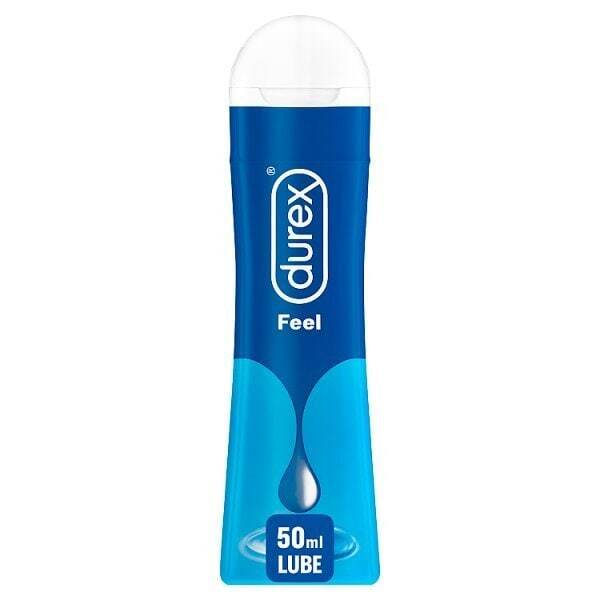
Keep lube to hand, it’s great for making any kind of touch more comfortable.
One of the most powerful and often overlooked ways to address sexual performance anxiety is through honest, open communication with your partner. Anxiety thrives in silence, whilst openness and connection can help to break it down.
Here are two ways you may want to approach this:
Discuss expectations
Performance anxiety often stems from perceived pressure to perform a certain way. Having an honest conversation about what you both want and need from your intimate life can help reduce this pressure. This could include talking about whether sex needs to include penetration at all. In our survey, 44% of men said they see non-penetrative activities as an optional part of sex, so it's worth checking you're both on the same page.
Talk about their feelings
Let them share what they’re experiencing with you. See if there are ways that you can be more understanding and supportive. Many people report feeling immediate relief simply from opening up about their worries.
If you find it difficult to start these conversations on your own, couples therapy or sex therapy can provide a safe, structured environment to improve communication and work through issues together.
Erectile dysfunction can be brought about by performance anxiety, and so sometimes using a medication for erectile dysfunction can help by giving added confidence going into sexual activity.
How to get hard with sexual anxiety?
Working with your partner to reduce the feeling of sexual activity being a performance and instead focusing on being more in the moment can help.
It is better to develop your skills of being present outside of your intimate moments with a regular meditation practice giving you the skills to apply this in the bedroom.
The research was conducted by Censuswide, among a sample of 2,000 UK Respondents (Nat Rep 18+). The data was collected between 13 and 19 October 2026.
Censuswide is a member of the Market Research Society (MRS) and the British Polling Council (BPC), and a signatory of the Global Data Quality Pledge. We adhere to the MRS Code of Conduct and ESOMAR principles.
*Downloading the app nominates us as your pharmacy.
Chemist 4 U uses cookies (and other techniques) to enhance your shopping experience.
Read more about our cookie policy, terms and conditions and privacy statement. By continuing on this site and accepting our cookies you agree to the collection of information on this basis by us and by third parties on the platform as well as direct email marketing. Please customise your cookie settings below.
Find out more about our data policies.