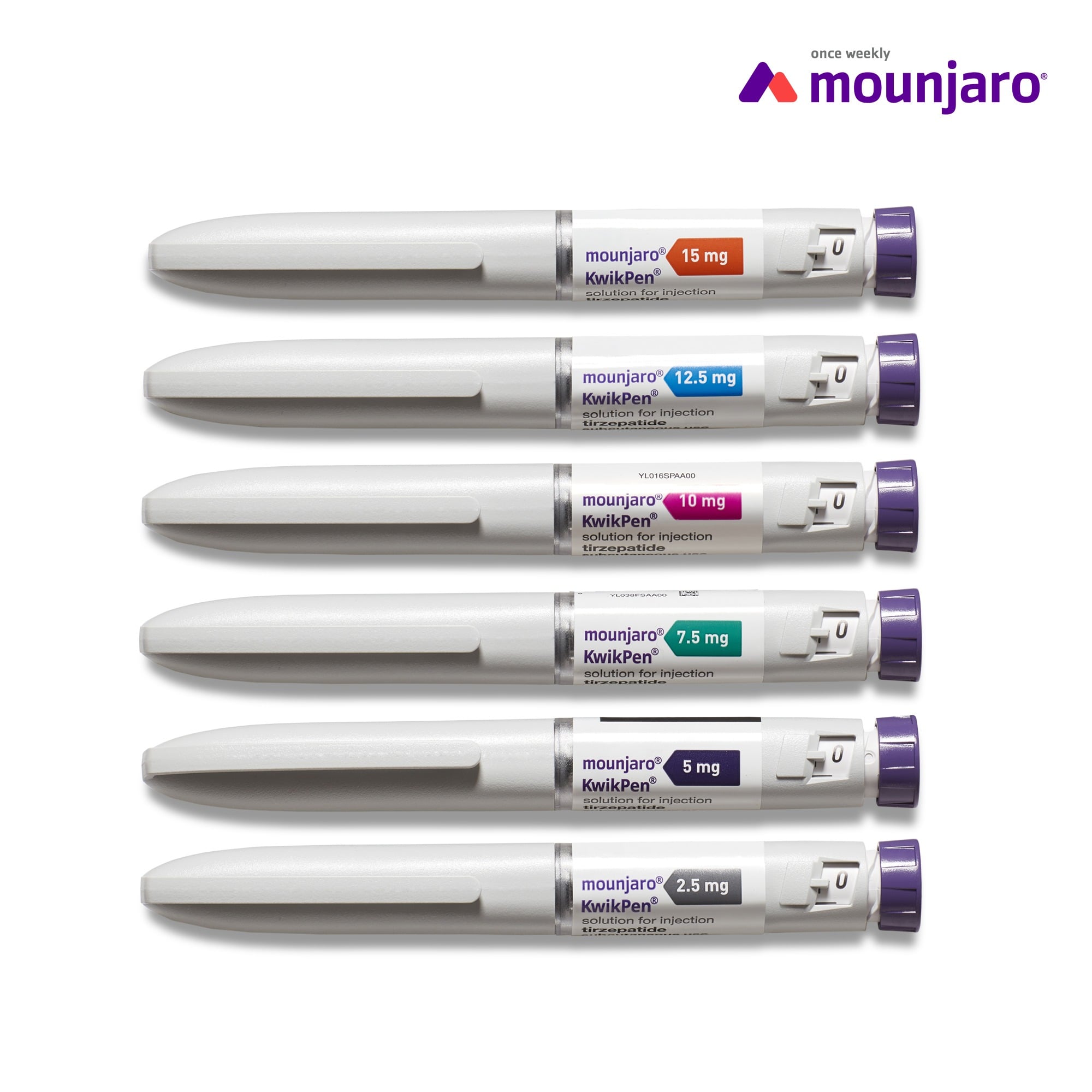
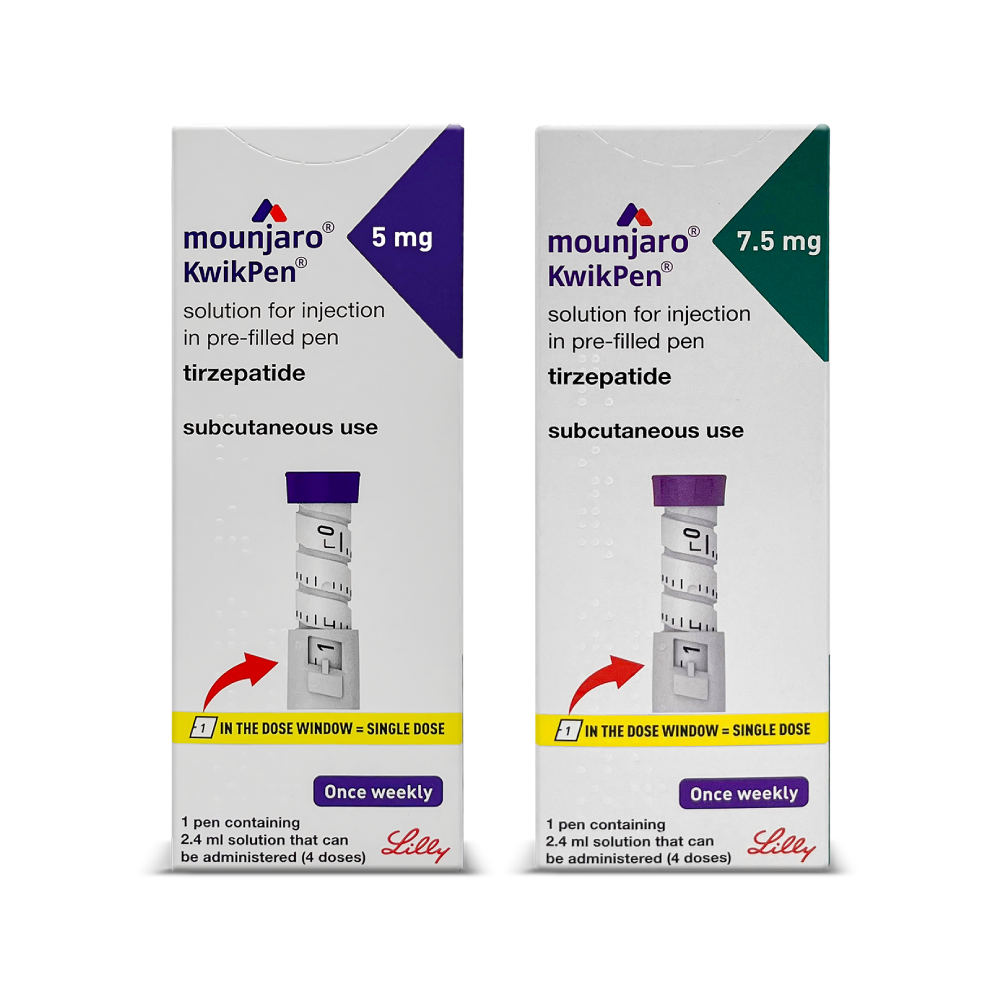
Muscle loss on Mounjaro is common, but it’s not inevitable. While most of the weight you lose on Mounjaro comes from fat, some comes from lean mass, including muscle.
Some muscle loss is common when you lose a significant amount of weight. However, because muscle plays an important role in your health, it's important to take the necessary steps to protect it. In this guide, we’ll explain how to maintain your muscles while losing weight on Mounjaro.
Three key takeaways
Most of the weight you lose on Mounjaro is fat, with a small amount being muscle and bone mass, otherwise known as lean mass.
Muscle supports your metabolism, blood sugar, energy levels, and bone health, so it's vital to protect it.
Eating enough protein and doing strength training at least twice a week can help you hold on to muscle.
Does Mounjaro cause muscle loss?
Yes, Mounjaro can cause muscle loss, but it isn't inevitable. There are two main reasons why it can happen:
Calorie deficit
Mounjaro mimics glucose-dependent insulinotropic polypeptide (GIP) and glucagon-like peptide-1 (GLP-1), gut hormones that help to regulate blood sugar and make you feel less hungry.
When that happens, you may eat less than usual, which can put you in a calorie deficit. This means you’re taking in less energy than your body needs, so it starts to use stored energy instead. Most of this comes from body fat, which supports weight loss, but your body can also break down some muscle tissue and use the amino acids for energy.
Losing some lean mass is normal and expected during weight loss. This doesn’t necessarily mean you're losing significant amounts of muscle, as lean mass also includes water and other non-fat tissues.
It also doesn't make Mounjaro an unhealthy way to lose weight. It's simply a good reason to look after your muscles while you're taking it.
Here’s the difference between fat mass and lean mass:
Fat mass is all of the fat stored in your body. That includes the fat under your skin (subcutaneous fat) and the fat around your organs (visceral fat).
Lean mass is everything that isn't fat. This includes muscles, organs, connective tissue, bone, and body water.
Why is muscle mass important?
Your muscles do far more than just help you move. They play a part in almost every area of your health.
They support your metabolism
Your muscles use energy even when you're resting. Your basal metabolic rate (BMR) is the number of calories your body burns at rest to keep your key functions—e.g. breathing and pumping blood—ticking over so that you stay alive.
Losing muscle can mean your body burns fewer calories at rest. That may make it harder to keep the weight off in the long run.
They stabilise blood sugar
"Your muscles help to keep your blood sugar steady. After you eat, sugar (glucose) moves from your blood into your cells, and your muscles use up most of it. Insulin, the hormone that tells your cells to take in sugar, helps this along.
“Exercise helps, too. Strengthening your muscles means they'll take up more sugar from your blood. Strength training has also been linked to improved insulin sensitivity, meaning your body responds to insulin more effectively."
Strong muscles make everyday jobs, like climbing stairs or carrying shopping, feel easier. If you lose muscle, the same jobs can take more effort and leave you more tired.
They protect your bone health
Your muscles and bones work as a team. When your muscles pull on your bones during exercise, it helps to keep your bones strong. The NHS says resistance and weight-bearing exercise are especially important for bone density and for helping to prevent osteoporosis.
Strong muscles also help your balance and posture and lower your risk of falls.
Osteopenia means your bones have lower bone density than normal, but not low enough to be classed as osteoporosis. Osteoporosis means your bones are weaker and more likely to break. Keeping your muscles and bones strong helps to protect against both.
What are the side effects of muscle loss on Mounjaro?
If you start to lose muscle, you may notice changes in how you feel, both physically and mentally. These can include:
Weakness: Everyday tasks, like carrying bags or getting up from a chair, may feel harder.
Loss of endurance: You may get out of breath sooner on walks, workouts, or busy days.
Irritability: Low energy and not eating enough can make you feel short-tempered.
Fatigue: With less muscle, everyday movement takes more effort, so you may feel tired more often.
Stalled weight loss: Less muscle means you burn fewer calories at rest, which may slow your progress.
A 'skinny fat' appearance: If you lose muscle along with fat, your muscles may look less defined even as the scales go down.
Slower recovery: Your muscles need energy and protein to repair, so aches and tiredness after exercise may last longer.
Why is protein important?
Protein is made up of amino acids, which your body uses to:
build, maintain, and repair muscles and other tissues
make enzymes that help your body digest food and carry out chemical reactions
make hormones and other chemical messengers
make antibodies and other proteins that support your immune system
make haemoglobin, which carries oxygen in your blood
provide energy when needed
The human body requires 20 different amino acids. Nine of these are essential amino acids, meaning that we can't make enough of them ourselves, so they must come from our diet.
That's why it helps to eat a variety of protein-rich foods, so you get all the amino acids you need.
Protein matters even more when you're losing weight. People on calorie-controlled diets are advised to eat more protein than usual to help protect their muscles.
There are two main ways to protect your muscles on Mounjaro: eating enough protein and doing regular strength training. Protein gives your body what it needs to look after your muscles, and strength training gives your muscles a reason to stay strong.
Eat a protein-rich diet
Protein helps your body to repair your muscles and keep them intact while you lose fat. Mounjaro can make you feel less hungry, so try to include protein in every meal. Good options include:
Meat
Fish
Dairy and eggs
Plant-based
Supplements
Beef
Salmon
Milk
Tofu
Whey protein
Chicken
Tuna
Greek yoghurt
Edamame
Plant-based protein powder
Pork
Cottage cheese
Lentils
Turkey
Kefir
Chickpeas
Eggs
Soy mince
How much protein should I eat to maintain muscle mass on Mounjaro?
When you're using weight loss injections, aim for 1.2-1.6g of protein for every kilogram you weigh, each day. Here's what that looks like:
Your weight
Protein per day
65kg
78g-104g
80kg
96g-128g
95kg
114g-152g
110kg
132g-176g
Incorporate strength training
Strength training means making your muscles work against resistance. This helps your muscles stay strong and can even build more muscle mass. It's also good for your bones and balance.
Aim for two sessions a week, each lasting 30 minutes to an hour.
Strength training includes:
Weight training: weights, barbells, and kettlebells.
Body weight exercises: push-ups, burpees, planks, wall squats, and lunges.
Resistance band exercises.
Pilates.
The best type of strength training is whichever one you can stick with. A simple routine you enjoy will do more for you than a complicated plan you give up on after two weeks.
Start slowly and build up. It's important to know how to avoid injury when starting exercise. If you have a health condition or haven't exercised for a while, you should speak to your GP first.
How Chemist4U can help
Worried about muscle loss on Mounjaro? You don't have to figure it out alone. At Chemist4U, we're here to support you from your first consultation onwards, so you can lose weight in a way that also looks after your health.
Explore our Mounjaro guide hub for everything you need to know about your treatment.
Frequently asked questions about muscle loss on Mounjaro
Does Mounjaro weaken your muscles?
Mounjaro doesn't weaken your muscles in isolation, but when you lose a lot of weight, you lose some lean mass along with fat. This can contribute to muscle weakness and some muscle loss.
Will I definitely lose muscle on Mounjaro?
Not necessarily. Losing some muscle is expected when you lose weight, but there's plenty you can do to limit it. Eating enough protein and doing regular strength training are the best ways to protect your muscles.
What if I struggle to eat enough protein?
Mounjaro can make you feel full quickly, so big meals may feel off-putting. Try eating smaller portions of protein more often, and have the protein part of your meal first.
Easy options include Greek yoghurt, eggs, cottage cheese, and lean meat, while plant-based sources include lentils, nuts, seeds, and tofu. A protein shake can also help you reach your daily target. If you're struggling to eat enough overall, speak to your prescriber.
Chemist 4 U uses cookies (and other techniques) to enhance your shopping experience.
Read more about our cookie policy, terms and conditions and privacy statement. By continuing on this site and accepting our cookies you agree to the collection of information on this basis by us and by third parties on the platform as well as direct email marketing. Please customise your cookie settings below.
Find out more about our data policies.